Always Be Yourself Unless You Can SVG
A Design That Speaks Volumes
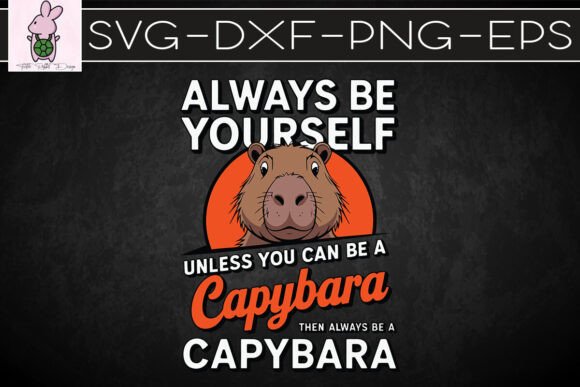
When I first opened the file for Always Be Yourself Unless You Can SVG, I was struck by its clean, modern aesthetic. It’s not just a design—it’s a statement. The layout is balanced, with a strong visual hierarchy that makes it immediately approachable. The theme feels personal and empowering, which is a big plus for designers looking to create meaningful products.
The Right Fit for Real Projects
As an embroiderer who works with both small businesses and individual clients, I’ve seen how the right design can elevate a project from good to great. Always Be Yourself Unless You Can SVG fits naturally into projects like custom apparel, tote bags, and even personalized gifts. Its simplicity allows it to adapt well to different sizes and formats without losing its essence.
I imagine using this design on a sweatshirt embroidery for a client who wants something bold yet understated. It could also work beautifully as an embroidered patch or a pillow cover—both of which require a design that stands out while remaining versatile.
Testing in Real Life
Before committing to any design, I always test it on scrap fabric. Always Be Yourself Unless You Can SVG performed well in my initial tests. The SVG format made it easy to scale and adjust, while the PNG files offered high resolution and a clear background, which is essential for seamless stitching.
I also checked the DXF files, which are ideal for detailed work. They allowed me to tweak the design slightly before finalizing it for a client. The clarity of the lines and shapes made it easy to see how it would translate into physical stitches, especially when using satin stitch or fill stitch.
Where to Use With Care
While Always Be Yourself Unless You Can SVG is versatile, there are situations where it might need some extra attention. For example, using it on dark fabric requires careful consideration of thread colors to ensure visibility. Similarly, small hoop sizes may not accommodate the full design, so it’s important to check the hoop size compatibility beforehand.
Projects like caps or aprons demand attention to detail, especially around curved surfaces and textured fabrics. In these cases, using the right stabilizer becomes crucial to maintain the design’s integrity during stitching.
Visual Appeal and Professionalism
Always Be Yourself Unless You Can SVG has a strong visual appeal that translates well into finished products. Its minimalist style ensures that it doesn’t overwhelm the fabric, making it suitable for both personalized gifts and commercial embroidery.
From a professional standpoint, the design supports brand consistency and customer trust. Whether you’re creating Etsy listings, printable mockups, or craft fair products, this design offers a reliable foundation that aligns with the expectations of both handmade and commercial projects.
Design Notes for Embroidery Professionals
If you're considering using Always Be Yourself Unless You Can SVG in your workflow, here are a few practical tips:
- Test on scrap fabric to see how it looks in real life.
- Check thread color contrast to ensure visibility on different fabric types.
- Review stitch density to avoid overcrowding or sparse areas.
- Confirm the hoop size required for your machine.
- Inspect small details like lettering and corners for clarity.
- Test in black and white mockups to assess legibility.
- Compare how the design looks on light and dark backgrounds.
- Use proper stabilizer to support the fabric during stitching.
- Ensure the design works for both personal and commercial use.
- Confirm licensing terms if you plan to sell finished items or digital products.
Conclusion
Always Be Yourself Unless You Can SVG is more than just a design—it's a tool that empowers creators to bring their vision to life. Whether you're working on a custom apparel project, a holiday gift, or a small shop product, this design offers flexibility, clarity, and a strong visual identity.
With the right preparation and attention to detail, Always Be Yourself Unless You Can SVG can become a staple in your design toolkit. It’s a reminder that great design isn’t just about aesthetics—it’s about creating something that resonates with both the maker and the end user.