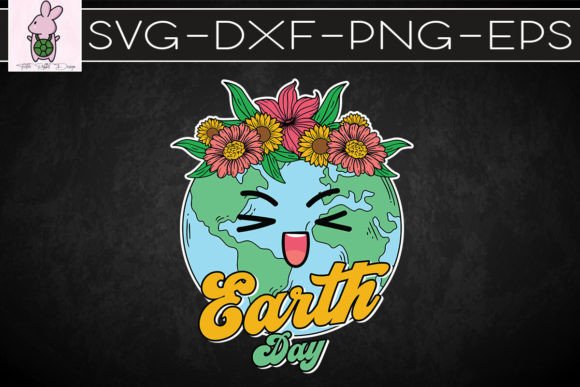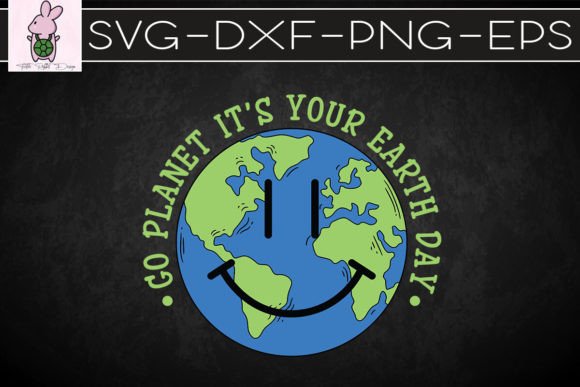
Rotation of the Earth Cricut
A Design That Spins on the Edge of Practicality
As a designer who’s stitched countless custom projects, I approach each embroidery file with the same level of scrutiny I’d apply to a client’s brief. Rotation of the Earth Cricut is no exception. At first glance, it evokes a sense of quiet curiosity—a design that feels both familiar and slightly out of place in the world of machine embroidery. The theme is strong, but the execution leaves room for thoughtful consideration.
The Mood and Visual Personality
The rotation of the Earth is a powerful concept, symbolizing movement, change, and continuity. When rendered as an embroidery design, this theme should inspire a sense of motion and depth. However, Rotation of the Earth Cricut leans more toward a static representation than a dynamic one. The layout is clean, with clear lines and minimal clutter, which makes it visually appealing but somewhat generic. It lacks the subtle textures or layered details that could elevate it from a simple graphic to a memorable design.
What stands out is the clarity of the SVG and PNG files. The high-resolution PNG offers a transparent background, which is a significant plus for designers working on layered projects or combining multiple elements. This makes it easy to integrate into larger compositions without worrying about background interference. The DXF format, while less common in embroidery, adds versatility for those using specialized software or looking to customize the design further.
Real-World Use Cases: Where Does It Fit?
Rotation of the Earth Cricut is best suited for projects that benefit from a clean, recognizable motif. Think of it as a subtle accent rather than a central feature. A tote bag design, for example, could use it as a small patch or embroidered detail. On a sweatshirt or t-shirt, it might work well as a discreet emblem or part of a larger pattern.
However, its simplicity also means it may not be ideal for all applications. For instance, using it on a baby item like a onesie or bib requires careful attention to stitch density and thread color contrast. Dark fabrics can swallow lighter threads, making the design less visible. Conversely, light-colored fabrics may require darker threads to ensure visibility, which could affect the overall aesthetic.
Stitching Clarity and Fabric Compatibility
One of the biggest challenges with Rotation of the Earth Cricut is its performance on textured or stretchy fabrics. The design’s fine details—such as the subtle gradients and delicate lines—can suffer when stitched on materials like denim or cotton blends. These fabrics tend to stretch or distort, which can cause the design to lose its intended shape and clarity.
On the other hand, smooth, flat surfaces like canvas or linen provide a better canvas for this design. A cap or apron made from these materials would showcase the design’s clean lines and geometric structure more effectively. For curved surfaces, such as caps or hats, the design’s corners may not align perfectly, leading to slight misalignment or distortion.
When working with dark fabric, consider using a contrasting thread color. A bright white or metallic thread can make the design pop, especially on black or navy backgrounds. Testing the design on scrap fabric before committing to a final product is always a good idea. It helps identify any potential issues with stitch density, alignment, or color contrast.
Design Notes for Embroidery Professionals
If you’re an Etsy seller or running a craft business, Rotation of the Earth Cricut can be a useful asset. Its clean, modern look fits well with minimalist designs and contemporary branding. However, it’s important to consider how it will perform in real-world conditions. For example, if you’re creating a holiday gift, you’ll want to ensure the design holds up after multiple washes. Using a proper stabilizer and choosing the right hoop size can help maintain stitching quality and prevent puckering.
Before selling finished products, always confirm the licensing terms. Some digital embroidery files come with restrictions on commercial use, so it’s crucial to understand what you’re allowed to do with Rotation of the Earth Cricut. Additionally, testing the design in black and white mockups can help you see how it looks in different lighting conditions and on various fabric types.
Practical Tips for Designers
- Test on Scrap Fabric: Always test new designs on scrap material to assess stitch density, alignment, and color contrast.
- Check Thread Color Contrast: Ensure your chosen thread colors stand out against the fabric background.
- Review Stitch Density: High-density areas can cause puckering or uneven stitching, especially on stretchy or textured fabrics.
- Confirm Hoop Size: Choose a hoop that accommodates the design’s dimensions without stretching or distorting the stitches.
- Inspect Small Details: Pay close attention to tiny lettering, decorative accents, and intricate patterns.
- Use Proper Stabilizer: A good stabilizer can make a big difference in the final appearance of the design.
- Consider Fabric Texture: Smooth, flat fabrics are generally easier to work with than rough or stretchy ones.
- Test in Black and White: This helps identify any hidden flaws or inconsistencies in the design.
- Compare Light and Dark Backgrounds: The design may look different depending on the fabric’s color and texture.
- Ensure Licensing Compliance: Confirm whether the design can be used for personal or commercial projects.
Rotation of the Earth Cricut is a versatile design that can add a touch of elegance to a wide range of projects. With the right preparation and attention to detail, it can become a valuable asset in your embroidery toolkit. Whether you're crafting personalized gifts, custom apparel, or boutique products, this design has the potential to enhance your offerings—if used thoughtfully and with a clear understanding of its strengths and limitations.